Recent Posts

How Does OpenTable Make Money? Business Model of OpenTable


How Does OpenTable Make Money

OpenTable is an online restaurant reservation service. Their business model is focused on helping restaurants easily manage their reservations.

OpenTable primarily makes money via subscription fees that it charges to restaurants. The company also makes money on booking fees, referral fees, and its own restaurant.

OpenTable was founded in 1998 by Chuck Templeton, Sid Gorham, and Eric Moe. The company first started operating a real-time reservations system for San Francisco restaurants. Their service has since expanded to over 80 countries.

The company went public in 2009 on the NASDAQ exchange under the symbol OPEN with a successful IPO. In 2014, OpenTable was purchased by the Priceline Group for $2.6 billion. OpenTable’s parent company later changed its name to Booking Holdings in 2018.

Booking Holdings (BKNG) is a public company that trades on the NASDAQ exchange. It primarily owns travel sites, including Booking.com, Priceline.com, Kayak.com, Cheapflights, and Agoda.com. Booking Holdings was founded in 1996 and is based in the US.

What is OpenTable & How Does It Work?

OpenTable is an online site where individuals search for and book reservations at restaurants. The company helps 31 million monthly diners [1] make reservations with their 60,000 partner restaurants located across the globe.[2]

Restaurant reservations can be booked online or via OpenTable’s Android or iOS apps. Users can either search for a restaurant specifically or look for available reservations based on dates, times, cuisine, or price range. This helps users book reservations at the last minute or in cities where they aren’t familiar with the local restaurant scene.

Reservations can be easily booked, modified, and cancelled. Users are able to see things like the restaurant’s menu on the app. They can also invite friends to their reservation in-app. OpenTable gives users personalized recommendations based on their past dining activity, dietary preferences, and dietary requirements. This helps diners discover new restaurants in their cities.

OpenTable users are prompted to review restaurants after completing a reservation. They can rate the restaurant from one to five stars on their overall impression, the food, the service, the ambiance, and the value. They can also submit a rating on the restaurant’s noise level, leave a written review, or recommend that restaurant for certain occasions.

This rating system helps other diners find the right restaurant for their needs and occasion. Since it also verifies that diners have actually eaten at the restaurant before they submit a review, OpenTable’s rating system protects restaurants from false reviews.

Users receive points after dining at restaurants they book through OpenTable that can be used for discounts in the future at OpenTable member restaurants. The company’s most active users eventually earn the title of VIP. This gives users a Booking.com Genius membership which provides them with discounts at hotels and other businesses.

For restaurants, OpenTable helps increase their reservation numbers by giving them access to OpenTable’s network of local and traveling diners. OpenTable claims to have seated 1.6 billion people in restaurants in 2019 and generated 100 million verified reviews.[3]

OpenTable also claims to have lower non-show rates than other reservation channels like phone reservations and partner reservations. Part of this might be because of OpenTable’s automated systems which email diners to remind them of their reservation.

Restaurants can also send their own automatic email and SMS confirmations to guests so they don’t have to do that work themselves. They also get notified immediately of reservations or cancelations via email or push alerts.

Using OpenTable also increases restaurants’ average per person revenue from diners. The company claims that OpenTable diners spend 24% more than the average diner.[4]


Business Model of OpenTable

OpenTable’s business model revolves around simplifying restaurant reservation booking systems and processes. By providing a centralized platform where diners can search for restaurants, read reviews, and make reservations, the company cultivates a user base that they can then market to restaurants.

The service is free for diners, who can even earn rewards points or loyalty programs for booking frequently on the site. This incentivizes diners to book through OpenTable rather than directly on the restaurant’s website.

It also standardizes diners’ experience booking reservations at restaurants. Booking reservations on the site is simple, and diners get notifications and reminders. They can also easily change the time of their reservation or cancel if their plans change.

OpenTable has over 600 affiliate partners who use their site to book reservations. These negotiated partnerships are critical for increasing their value to restaurants and drive reservation numbers.

With 50,000 restaurants available on the platform and thousands of reviews, OpenTable is the first place many users go when they’re planning a night out. Their large network of global restaurants makes it hard for other reservation companies to compete.

It also means that their users are global and use OpenTable when traveling. This is important to their value proposition since travelers are more likely to eat out, and they’re more likely to be looking for recommendations about where to eat.

The size of OpenTable’s network is a critical part of the company’s strategy. They originally just provided reservation software to restaurants. It wasn’t until they had a critical mass of restaurants in their network that they launched their consumer-facing website allowing diners to easily book reservations online for restaurants in their network.

While many restaurants previously took phone or online reservations, OpenTable reduces the work involved in taking reservations and allows customers around the world to make 24/7 real-time reservations. That helps restaurants maximize their seatings, simplify their reservation process, and make more money.

For this reason, many companies have abandoned their own online reservation systems and just link to OpenTable on their websites. But the company’s software allows restaurants to do more than just manage their seatings and reservations in their app.

In this way, OpenTable’s business model is similar to a software-as-a-service company (SaaS) that provides a software product or service in return for a monthly or annual fee. Restaurants can integrate their other software with OpenTable’s and keep track of their revenue, reviews, and other data that they previously held across multiple restaurant platforms and software applications.

Their higher tier subscriptions have additional software functionalities. These include things like automating table statuses and access to a relationship management software that helps restaurants cultivate regular diners and increase loyalty.

The company has expanded into a number of different connected businesses, including food delivery. This service is only supported in certain markets, including the US, Canada, Mexico, the UK, Italy, and Australia.

The company does not manage the deliveries themselves but allows restaurants to connect with their delivery partners to arrange the delivery portion. Some of these partners include Uber Eats, Just Eat, ChowNow, Skip the Dishes, Postmates, and Olo.[5]

This was particularly helpful when the COVID-19 pandemic hit, and many restaurants were forced to close down or switch to delivery for months at a time. During that time, OpenTable created a site to show how the pandemic was affecting the restaurant industry.[6]

During COVID-19, the company also allowed restaurants to list their cleaning and safety procedures along with their restaurant. They also worked with restaurants to help verify diners to ensure they were vaccinated to help them meet local restrictions around indoor dining.

Despite being the leader in reservation platforms, OpenTable has a number of competitors. These include Reserve, Yelp Reservations, Eat App, and Table Agent. This competition has had an impact on the company’s growth by requiring to allocate far more money towards advertising and aggressively expanding their territory to win market share over their competitors.

In 2018, a company employee was found to have booked false reservations at their rival Reserve to make the case that OpenTable had a lower no-show rate.[7] This was determined to have been done without the company’s knowledge.

Since OpenTable is a subsidiary of a much larger company, it is hard to determine the company’s finances like its expenses. In all likelihood, the company has significant operating costs including things like advertising, development costs, hosting costs, and administrative expenses connected with running the company and expanding its restaurant network and partnerships.

Booking Holdings, its parent company, is a public company and lists its expenses in aggregate. In 2021, the company had operating expenses amounting to $8.4 billion. Of this, $2.3 billion was spent on salaries and $3.8 billion on marketing expenses.[8]

The online travel and booking business is extremely competitive so it’s not surprising that advertising is such a huge expense for the company. While the majority of Booking Holdings’ income does not come from OpenTable, the company brought in $10.9 billion in total revenue in 2021. That equated to $1.1 billion in net income after operating expenses.[9]

This was an increase over the company’s 2020 results. They made just $59 million during the height of global lockdowns. However, it’s important to note that pre-COVID in 2019 the company had a net income of $4.8 billion.[10]

While these numbers hint at the potential profitability of OpenTable’s business model, it isn’t clear how much the company actually makes.


How Does OpenTable Make Money?

OpenTable makes money in six different ways. These revenue streams are subscription fees that it charges to restaurants, cover fees, referral fees, experience fees, advertising fees, and revenue from its own restaurant.

Unfortunately, because OpenTable is a subsidiary of a larger company, the amount of money that the service makes from each of these revenue streams is not publicly known.

Subscription Fees

OpenTable primarily makes money via subscription fees from restaurants. These are a SaaS offering that doesn’t just allow companies access to OpenTable’s network of diners but also gives them access to their booking and restaurant management software.

The company offers three different tiers of subscriptions:

  • Basic: This tier gives restaurants access to OpenTable’s networks and allows them to manage their reviews on the OpenTable platform. They can also create a guest database, custom profile and listing for their restaurant, post-dining surveys, takeout orders, direct messaging, and more. This plan costs $39 per month.
  • Core: This tier gives restaurants added functionalities that allow them to do things like automate their table statuses, streamline their operations, track revenue with POS integrations, maximize their seatings, and more. This is the most popular subscription and costs restaurants $249 per month.
  • Pro: This gives restaurants all the same features as the other plan but also gives them access to relationship management software and user data. This can be used to market to diners who have already ate at a restaurant with the goal of increasing loyalty and driving return visits. This plan costs $449 per month.

With 50,000 global restaurant partners, OpenTable likely makes a significant amount of recurring monthly income. However, that might not be reflected in OpenTable’s recent performance as the company gave its restaurant partners a subscription holiday during the pandemic to address how it affected the restaurant industry.


Booking Fees

On top of requiring restaurants to pay a monthly subscription to be on their website, OpenTable also charges what it calls a cover fee. This is a fee for every guest that is seated at a party. For example, a table of four has four covers.

They charge a different cover fee based on which kind of subscription a restaurant has.

  • Basic: Free for the first 30 days, then $2 per cover and $0.30 per cover or $49 per month for reservations on a restaurant’s website.
  • Core: $1.25 per cover and free for reservations on a restaurant’s website.
  • Pro: $1.25 per cover and free for reservations on a restaurant’s website.

Given that OpenTable drives a significant amount of business to restaurants, they can potentially make a lot of money off these fees.


Referral Fees

OpenTable has partnerships with a number of food delivery services such as Uber Eats, Just Eat, and ChowNow. The company charges restaurants a 2% fee for every order it refers via its website to delivery companies.

Food delivery companies likely also pay OpenTable a commission or referral fee as part of their partnership agreement.


Experiences Fees

OpenTable encourages restaurants to showcase dining experiences like tastings, seasonal menus, or classes to its users. They then help the companies customize and market these experiences. These can be anything from a happy hour special to an expensive ticketed wine dinner.

Experiences are pre-paid and restaurants can upsell customers by suggesting that they add something like a wine paring with the tasting menu. OpenTable charges a 2% fee on all Experiences bookings.


Advertising Fees

OpenTable runs advertisements where restaurants can purchase promoted listings and appear higher in search results. The company advertises this as a great way for restaurants to fill their slow days and shifts.

Companies control when they want to advertise and can launch a last-minute campaign if they are having a slow seating. They can also choose which diners to target their ad campaign to such as those who are booking last minute or first-time diners. OpenTable does not list how much they charge for ads.


Restaurant Earnings

In 2021, OpenTable launched its first restaurant. Layla is located inside Kayak Miami Beach, a hotel owned by Kayak. Kayak is a travel booking site that is also a subsidiary of Booking Holdings.[11]

This move seems like it could be an attempt for Booking Holdings to move from just booking travel services and reservations to providing them. The restaurant is Bedouin inspired and serves things like baba ghanoush and tailored cocktails.

OpenTable sees this restaurant as an innovation lab. They use it to develop new technology. For example, if a customer tweaks a cocktail to include a preferred spirit, OpenTable will have that data the next time they visit, and the customer won’t have to ask for the tweak.

It’s unclear if the restaurant was designed to make a profit or simply as a research and development lab.


OpenTable Funding, Valuation & Revenue

OpenTable is currently a subsidiary of Booking Holdings (BKNG) which is a public company listed on the NASDAQ exchange. Formerly known as The Priceline Group, Booking Holdings had their IPO in 1999.[12]

Before it was purchased by Booking Holdings, OpenTable went public itself. In 2006, the company sold their IPO at an offering price of $20 but the stock was trading at $29 by the end of the day. That gave OpenTable a valuation of $626 million on its first day.[13]In 2014, Booking Holdings bought OpenTable for $2.6 billion.[14]

Prior to going public, OpenTable went through three funding rounds and garnered $48 million in venture capital funding.[15] Notable investors include Comdisco Ventures and Orange S. A.[16]

OpenTable’s parent company’s stock has struggled in recent years due to the pandemic. The company’s revenue fell from $15 billion in 2019 to $6.7 billion in 2020 and then bounced back to $10.9 billion in 2021.[17]

YearTotal RevenueTotal Ops ExpensesNet Income
2019$15 billion$9.7 billion$4.8 billion
2020$6.7 billion$7.4 billion$59 million
2021$10.9 billion$8.4 billion$1.1 billion


Is OpenTable Profitable?

OpenTable is likely profitable. Booking Holdings, OpenTable’s parent company, made a profit of $1.1 billion in 2021 on $10.9 billion in revenue. However, Booking Holdings does not break down their revenue by subsidiary, so it is unclear how profitable OpenTable could be.

There is also a chance that OpenTable lost money in 2020 and 2021 due to the struggles the restaurant sector faced and OpenTable’s decision to temporarily suspend subscription fees for restaurants as they experienced less business.

There is also a chance that OpenTable’s revenue might still be down as some remain wary of indoor dining.


Conclusion

We hope you enjoyed this blog post and learned more about OpenTable’s business model and how it makes money. 

The company has been around since 1998, when it launched its first website: easyeats.com. It was originally intended as an online reservation system for restaurants, but it quickly grew into something much bigger—and today, there are more than 50,000 restaurants worldwide that use OpenTable to manage their bookings and reservations.

OpenTable is more than just a company that helps you make reservations. It’s become a household name in the restaurant industry, and it’s helping to change the way we think about the dining experience.

OpenTable has shown itself to be a leader in the online reservation space, but it can’t rest on its laurels. There are plenty of competitors out there, and OpenTable needs to stay on top of the latest trends and technologies if it wants to stay relevant.

We’re excited to see what’s next for OpenTable—and you should be too!

1221 Food Business Name Ideas That Nobody Can Resist

569 Fancy Restaurant Name Ideas to Get Everyone Talking

317 Brunch Restaurant Name Ideas to Cater to Your Goals

Sources

  1. OpenTable
  2. OpenTable
  3. OpenTable
  4. OpenTable
  5. OpenTable
  6. OpenTable
  7. Eater
  8. Booking Holdings
  9. Booking Holdings
  10. Booking Holdings
  11. Food and Wine
  12. Yahoo!Finance
  13. TechCrunch
  14. Wall Street Journal
  15. Crunchbase
  16. Crunchbase
  17. Booking Holdings

How Does Patreon Make Money? Business Model of Patreon


How Does Patreon Make Money

Patreon is a popular membership platform that creators use to get support from their fans via membership subscriptions. The company has a few key revenue streams.

Patreon primarily makes money via fees paid by creators who use the subscription membership service. The company also makes money from payment processing fees and platform fees.

Founded in 2013 by Jack Conte and Sam Yam, Patreon is known for helping artists and creators earn money via their service where their fans can contribute towards their work on a monthly recurring basis. In exchange, creators provide exclusive content, rewards, or other perks to subscribers.

Patreon was founded because Jack Conte was a musician looking for a way to make money off his YouTube videos. Initially, Patreon was designed to provide an artist with compensation when they created a work of art. It later moved primarily to monthly subscriptions.

Headquartered in San Francisco, California, Patreon is now one of the top platforms for crowdfunding.

What is Patreon & How Does It Work?

Patreon is a platform that allows artists or creators to make money off their art or content. Their fans sign up for monthly membership-based subscriptions to support the creation of their work. In return, patrons get access to exclusive content, sneak peaks, exclusive access to events, and the ability to engage directly with the creator.

Patreon is used by podcasters, video creators, musicians, visual artists, communities, writers, journalists, gaming creators, nonprofits, educators, and creators of all kinds. The platform boasts a large number of video creators but also has a large contingent of podcast and music creators.[1] These are also the categories that generate the most in monthly earnings.

Fans can either search through the database of creators or follow a link to the site from a creator that they like. They can then pick a membership tier and start providing support.

Patreon boasted in 2020 that it had six million active monthly patrons. Those numbers suggest that the site is growing quickly. It increased its number of patrons by 50% from 2019 to 2020.[2] These patrons collectively support over 200,000 creators. However, while some creators have tens of thousands of supporters, many only have a few patrons.

Only about 700 creators have over 2,000 patrons. The top creator is True Crime Obsessed, a podcast about true crime but it is unclear how much the podcasts makes monthly.[3] In 2021, creators on Patreon earned $2 billion from patrons.[4]

The point of Patreon is to give creatives the resources they need to continue to create the work their fans love. For some creators on the site, they would not otherwise be able to continue to do their work. For others, the money they make from Patreon supplements other income sources or allows them to monetize their work.

This has proven lucrative for many. For example, The Tom Dillon Show, a podcast, is estimated to have over 40,000 subscribers and make over $200,000 per month.[5]

Creators are able to customize membership levels for their fans. That means that they can offer a number of different price points so people can choose the level at which they want to provide support. People at higher support levels often get additional access to the creator or more benefits attached to their membership.

For example, a comics creator might provide early access to new work and projects or exclusive access to certain installments in their comics series. Other creators might offer free merchandise or consulting with the creator at higher tiers.

Every creator has a landing page that explains their membership offerings and perks and lists the number of patrons they have. It also says how much the creator is earning per month off their work. Users can follow creators even if they don’t become patrons of that creator.

Many creators also post non-membership content that everyone can see. This can help them sell subscription memberships as people will get a taste of the kind of content they offer before supporting them. While Patreon gives supporters an option to pay for a year of support, the majority of people pay on a monthly basis. These monthly subscriptions can be cancelled anytime.

Patreon liberates many creators by giving them more creative freedom and control. By freeing them from the dictates of advertisers or the whims of companies that they work for, they’re able to spend less time focusing on making ends meet or other people happy. Instead, they can create more of the work that their fans love.

The recurring nature of the revenue creators get from Patreon allows many to achieve greater financial stability and pursue an independent creative career. It also gives many artists a community to test out new ideas and understand how their fans will react to them before investing a significant amount of time pursuing them. This creates a more interactive creative process.

This also helps early generate interest and support for projects that can help them make their next release successful. Ultimately, Patreon allows creators to build an interactive community to support them and their future work.


Business Model of Patreon

Patreon is a membership platform designed to help creators monetize their fanbase through recurring monthly membership subscriptions. The company has revolutionized the way work is done by creatives and changed how they raise funds to do the work that their fans love.

Patreon, ultimately, runs a payment processing company that enables individuals to raise money to deliver creative work. In the past, people creating work that others loved but which wasn’t well-compensated had to work other jobs or ask for support on an intermittent basis with a payment link.

Patreon changed that by providing a platform that allowed them to easily set up a profile page, determine monthly membership levels, and start accepting monthly payments. This simplifies the work artists used to do to fund their creative endeavors. It also gives them far more financial stability.

By attaching payments to a subscription level and giving fans perks for subscribing, Patreon also makes those who donate feel like they are receiving something in return for their support and money. That makes it easier for creators to ask for help.

While its free to get started on Patreon, the company has different levels of subscriptions for creators. Rather than pay a monthly subscription, however, Patreon charges a different percentage for memberships. Each tier gives creators different levels of support or functionalities on the platform.

Creators can leverage the platform to create business models of their own on the platform. They might focus their memberships on giving subscribers access to a community. Or they might ask their subscribers to pay for their educational work.

Many use a gated content model where fans can access some content for free but need to pay for exclusive content. Others use their fans’ interest in them to offer them more access or even personal contact like phone calls for higher tiered supporters.

Patreon does a lot of work to help creators develop their Patreon strategy so that they can maximize their conversions from fans to subscribers and increase their revenue. They provide suggestions for everything from rewards to offer to how to treat your Patreon services as a business.

In that way, Patreon is supporting creators in creating their own small businesses. Patreon’s model for doing this is different from some other models that emerged around the same time.

Crowdfunding sites like IndieGoGo and Kickstarter, for example, focused on helping creators and entrepreneurs get one-time funding for big creative endeavors. These services also allowed creators to give out perks and rewards for supporting creators. However, they were transactional in that supporters often expected to get a physical product or service from it.

Other services like Substack are focused narrowly around supporting content creators with subscriptions to newsletters and other content. Then there are sites like Kofi, which allows people to make both one-time donations or sign-up for monthly memberships to support creators.

Another way creators monetize their content is through direct requests for cash donations via PayPal link or other peer-to-peer payment processing services. Patreon distinguishes itself by providing monthly revenue for a wide variety of creators while also providing a platform to create community.

The business models of these companies are not necessarily in competition. For example, a creator who has a Patreon might still use Kickstarter to crowdfund a large project. Or they might ask people to make one-time donations to them via Ko-Fi.

In 2021, Patreon is estimated to have generated around $160 million in revenue after paying its creators.[6] The amount that they made in profit has increased significantly in recent years, doubling from 2020 to 2021.

However, Patreon likely has significant expenses from running their growing platform. Things like staffing, advertising, hosting, and development costs are also likely to increase as they grow. As a private company, it is unclear how profitable they were after covering their expenses.


How Does Patreon Make Money?

Patreon makes money in more than three different ways. These include a percentage of the subscription fees they collect, payment processing fees, and merchandise fees.

As the company is private, a breakdown of how much the company makes from these individual revenue streams is not publicly available.

Subscription Fees

Subscription fees make up the core of Patreon’s revenue. Patreon earn anywhere from 5% to 12% from subscriptions. However, the amount varies depending on the plan creators choose.

Here are Patreon’s pricing tiers:

  • Lite: This plan charges just 5% on all income earned on Patreon. It gives creators access to a hosted creator page, communication tools, and Patreon workshops.
  • Pro: This plan charges 8% on all income earned on Patreon. It gives creators access to membership tiers, analytics, special offer tools, creator-led workshops, the ability to send merchandise, and app integrations. It’s designed to help create meaningful experiences for fans and generate more income.
  • Premium: This plan charges 12% on all income generated on Patreon. It also includes a dedicated Patreon partner manager to help maximize a creator’s income, the ability to send merchandise to membership, and team accounts. It’s designed for established creators to save them time and make building their membership easier.

It is unclear which of these tiers is most popular among creators.


Payment Processing Fees

Patreon charges payment processing fees to cover the expenses of processing payments and fighting fraud. These fees are also meant to cover things like setting up recurring billing, chasing down declined payments, and reminding people that their credit cards are expiring.

There are two fee rates:

  • Standard rate: For payments over $3, they charge 2.9% and $0.30 per transaction.
  • Micropayment rate: For payments under $3, they charge 5% and $0.10 per transaction.


Merchandise

Patreon sells branded merchandise that creators can customize and send out as perks to their membership base. The company deals with creating the merch, shipping, tracking, and providing support to buyers.

Examples of merchandise include prints, stickers, mugs, tote bags, posters, t-shirts, scarfs, and hoodies.

Merch is only available for Patreon Pro and Premium members. Creators can then apply artwork, words, or a design to these items based on what their supporters would like. Merchandise is a great way for creators to encourage supporters to give at higher tiers and reward those who do.

Global shipping is included in the price of the merchandise.


Patreon Funding, Valuation & Revenue

Patreon is currently a private company. Their financials are not often shared, and much of what’s available online about their financial results are estimates based on amounts the company has said it has raised for creators.

So far, Patreon has raised $413.3 million in venture capital funding during ten funding rounds.[7] Notable investors include Raison and Maximize Capital.[8] In 2021, Patreon was valued at $4 billion after raising $155 million in a funding round.[9]

Patreon has increased its revenue significantly in recent years. They brought in an estimate of $160 million after paying creators in 2021, up from $80 million in revenue after paying creators in 2020. That represents significant revenue growth.[10] Given that consistent and strong growth, there is a good chance the company can continue to increase its revenue in years to come.

YearTotal Revenue
2018$30 million
2019$50 million
2020$80 million
2021$160 million


Is Patreon Profitable?

Patreon is likely not currently profitable. While the private company rarely releases details about their financial performance, estimates suggest that they brought in just $160 million after paying creators in 2021. Given that the company is likely to have significant expenses, it is likely that they are still pre-revenue.

The fact that the company continues to raise venture capital also suggests that they aren’t yet profitable. However, given the company’s recent growth, there is a chance that Patreon could become profitable in the future.


Conclusion

In conclusion, Patreon is a unique platform that has the potential to change the way content creators are able to make money. With the help of their loyal patrons, Patreon allows artists and creators to receive support for their work and continue creating. This is why we believe Patreon will be successful in the long term.

Patreon’s business model is based on the idea that people want to support artists and creators. This is a great thing for artists and creators because it gives them more control over their income and allows them to make a living doing what they love. It’s also great for fans because they get access to exclusive content, experiences, and rewards that they wouldn’t otherwise have access to.

The company has been able to expand its user base at an impressive rate, and it looks like they will continue doing so in the future. We’re excited to see where it goes from here.

If you enjoyed this blog post, please share it with your friends and check out our blog for more content like this.

Thanks for reading!

How Does GoFundMe Make Money? Business Model of GoFundMe

861 Art Business Name Ideas that WILL Sell Like Crazy!

Sources

  1. Backlinko
  2. Backlinko
  3. Backlinko
  4. Backlinko
  5. Graphtreon
  6. Backlinko
  7. Crunchbase
  8. Crunchbase
  9. TechCrunch
  10. Backlinko

How Does Bumble Make Money? Business Model of Bumble


How Does Bumble Make Money

Bumble is a popular dating website and app. In recent years, the platform has also launched services for friendships and professional networking.

Bumble primarily makes money off subscriptions for Bumble Premium. It also makes money off of its Bumble Boost subscription, Bumble Spotlight purchases, SuperSwipe purchases, and by selling merchandise.

The company was founded by entrepreneur Whitney Wolfe Herd in 2014 after she left Tinder, a rival online dating platform. Like other dating platforms, users on Bumble view each other’s profiles and swipe if they’re interested in being matched. However, Bumble requires that women make the first move.

The popularity of dating apps has been steadily increasing worldwide since 2016. In that time, dating apps have seen significant growth in both user base and revenue share. In 2021, there were 323 million users of dating platforms worldwide. [1] Bumble is the third most popular dating app globally after Tinder and Badoo.

The app boasts 45 million active monthly users but only 1.5 million are paying users. Despite significant growth, Bumble has struggled after its 2021 IPO. In August 2022, Bumble was valued at just $5.4 billion. That’s a 50% decrease from its peak valuation of $13 billon in 2021.[2]

While the company has often met their predicted revenue growth, many on Wall Street seem to have lost faith in the stock.

What is Bumble & How Does It Work?

Bumble is like other dating apps like Tinder, Hinge, Match, and Ok Cupid. Users join for the purposes of finding other people for friendship, dating, and possible long-term commitment.

However, unlike other dating platforms, Bumble was designed to allow women to control the conversation by making the first move in heterosexual matches. Either can message first in a same-gender match.

Founder Whitney Wolfe Herd has referred to this structure as flipping the outdated gender dynamics of dating and romance, “on [their] head.” The platform has also been referred to as ‘Feminist Tinder’ and ‘Tinder for women; due to this focus on women’s experience of the platform. [3]

With Bumble, users create profiles that communicate who they are and what they’re looking for from a potential love or friendship match. The app is essentially a search tool that uses algorithms to match users based on the personal data they provide, like location and age.

Users can sign up on the website or download the app to their phones. They can use their phone number, Apple ID, or Facebook account to create a Bumble account. At minimum, they must provide their name and two pictures to complete the profile.

After signing up, users can browse the profiles of other users, swiping right on profiles they like and swiping left on profiles they don’t. If both parties swipe right, a match has been made. At this point with other dating apps, either party can send a message.

Bumble is different in that the woman must message first within 24 hours in a potential heterosexual match. The man then has 24 hours to respond to her. If neither party responds with the 24-hour window, the connection will be lost. If both parties respond, the time restriction is lifted, and the conversation can continue at its own pace.

The time limit is novel among similar dating apps and is likely designed to increase user’s engagement with the site. It also likely means users generate connections faster which could make the app feel more effective to users.

Bumble is meant to provide a safer space for women by reducing the opportunity for men to send unsolicited lewd messages and pictures. In LGBTQ matches, either party can message first, and the other has 24 hours to reply. Users can also SuperSwipe to alert users of their interest.

Despite Bumble’s branding as a female-friendly platform, it has faced criticism in the past. Main investor and majority owner Andrey Andreev has been accused of misogyny and creating a toxic workplace.[4] However, Andreev sold his stake in the company in 2019.

Users who want to more easily search for potential matches can sign-up for Bumble Premium. It gives users access features like incognito mode, travel mode, advanced filters, and unlimited swipes. Bumble also offers something called Boost, which allows users to SuperSwipe, extend time on current matches, and spotlight their profile to the top of the profile stack.

In recent years, Bumble has branched out to matching people for other purposes. For example, it has added a BFF mode which is meant for users looking for friendship. It has also added a Bumble Bizz mode which attempts to rival LinkedIn as a business networking platform.

With these services, users input details about what they’re looking for from friendships or business connections. They can then search through profiles of people looking for those types of connections. These services are helpful for people moving to a new city or starting a new career.


Business Model of Bumble

As a dating platform, Bumble is based on a freemium business model. The company makes using the app free in order to incentivize a critical mass of people to use the app. That ensures that people who sign up will be able to access a large number of potential partners, making their dating app experience better.

Users can then upgrade to paid plans that offer significantly more functionalities and features. The limited features of Bumble’s free plan means that users are incentivized to purchase premium services that enhance their experience of the app.

With 42% of dating app users aiming for marriage as an end goal, [5] the ability to pay to extend time with current matches or have an unlimited number of swipes on potential matches makes many users pay. Bumble has 1.5 million paying customers.

Bumble earns most of its revenue through its subscription offerings and in-app purchases like Bumble Premium and Bumble Boost. Users can also pay for individual services, like Spotlights. These are available individually or in packs of 30 and boost users’ profiles to more users for a period of 30 minutes.

Although Bumble’s model of allowing women in potential heterosexual matches to make the first move is unique, it’s freemium model of allowing free account creation while urging in-app upgrades is similar to other dating apps on the market. Bumble’s Spotlight feature, for example, functions like Tinder’s Boost feature.

Bumble also owns the popular Russian-based Badoo dating app, which allows it greater access to global markets. Badoo is focused on the European and Latin American markets, boasting over 28 million monthly active users. [6] Bumble operates in North America, the UK, the Czech Republic, and other countries around the world. The US market makes up more than 10% of the company’s revenue.

Bumble holds 22% of the U.S. market share. That means it comes in after Tinder which hold 32% of the market. Both beat out Hinge and Plenty of Fish, at 15% and 14%, respectively. [7] The company faces intense competition from these sites and other local or interest-specific rivals life FarmersOnly.com.

The company also faces competition over its friend and business matchmaking services. Companies like Friender and Friendmatch offer rival services and companies like Pawdates offer specialized friend matching services for dog owners. When it comes to making business connections, LinkedIn is a rival.

These additional matching services makes Bumble different from its other dating app competitors who don’t offer matching for these groups.

Bumble’s business model has been successful at generating increasing revenue. The company reported revenue of $765 million in 2021, up from $542.1 million in 2020.[8] But the company also has significant expenses. It takes significant human resources like developers, writers, editors, designers, and marketers to keep a global app like Bumble functioning smoothly.

Dating app companies also have to invest a significant amount of money in advertising to compete in the crowded online dating marketplace. After expenses, Bumble generated just $286.9 million in net income in 2021.[9]


How Does Bumble Make Money?

Bumble makes money in different ways. These are through its Bumble Premium subscription, its Bumble Boost subscription, Bumble Spotlights, SuperSwipes, and merchandise.

Bumble does not break down the sources of its revenue so it’s unclear how much of it comes from the company’s separate income streams.

Bumble Premium

Bumble makes the majority of its funds from subscriptions. While the platform is free to use, getting a subscription makes using the platform easier and gives you more information.

Bumble Premium allows users to:

  • See everyone who swiped right on them so that they can quickly review potential matches
  • Rematch with connections that have expired
  • Extend matches another 24 hours
  • Backtrack if the user accidentally swipes left
  • Access unlimited swipes
  • Use five SuperSwipes a week
  • Search more effectively with advanced filters like education, verified status, and even star sign
  • Turn on a private mode that doesn’t show people when they’re online
  • Put themselves in a Spotlight to generate more matches once a week
  • Use Bumble in other locations while travelling.

Bumble Premium costs $19.99 for one week, $39.99 for one month, $76.99 for three months, and $229.99 for a lifetime subscription.[10] Many features extended by the Premium plan help with selling a monthly or weekly subscription if a user makes a mistake on the app or wants to reconnect with a match.

For example, a user might purchase a subscription if a match expires or if they accidentally swipe the wrong way on a promising match.


Bumble Boost

The Bumble Boost plan Is a lower tier subscription plan that costs less but doesn’t come with as many features.

Bumble Boost allows users to:

  • Backtrack, or unswipe on profiles they may not have meant to swipe on
  • Extend time on current matches
  • Access unlimited swipes
  • Spotlight themselves to prospective matches once weekly
  • Use five SuperSwipes per week. [11]

Bumble Boost costs $8.99 for one week, $16.99 for one month, $33.99 for three months, and $54.99 for six months.[12]


Bumble Spotlight

Bumble also sells their individual features separately. Bumble Spotlight allows users to spotlight themselves for 30 minutes if they use on Spotlight or for 150 minutes if they use two.

It can be purchased independently for $5.99 each or $50.10 for 30 which costs just $1.67 each. This can greatly increase the number of matches a person gets in a particular period of time since their profile is given priority to people swiping.


Bumble SuperSwipes

SuperSwipes are features that allows users to indicate to matches that they’re very interested in them. When users activate it, the other user will be notified that you SuperSwiped them.

SuperSwipes are purchased with digital currency known as Bumble Coins. One SuperSwipe is equivalent to one coin. The cost depends on currency and region, but an American user can buy 5 coins for $7.99 or 30 coins for $34.99.[13]


Bumble Shop

Bumble also has a Bumble Shop. People who have developed successful love matches on the app can create a branded gift registry on the site. They can request items like a $75 charcuterie board and knife set engraved with the phrase ‘The best is yet to bee,’ a set of wooden honey dippers, and a variety of bee and honeycomb-themed wedding party favors.

No information was available on how much revenue the shop brings in for the company.


Bumble Funding, Valuation & Revenue

Bumble Inc. (BMBL) is currently a public company trading on the NASDAQ exchange. The company raised $2.15 billion in their February 2021 IPO with an initial opening price of $76 per share. This was well above its projected IPO price of $43 and gave the company a valuation of $8.6 billion.[14] As of August 2022, the company’s stock traded at $26.69 USD for a valuation of $5.4 billion.

Prior to going public, Bumble raised $2.2 billion in four funding rounds. They are funded by five investors: Greycroft, Headline, Able Partners, Accel, and actress Priyanka Chopra. [15]

Over the last four years, Bumble has greatly increased its revenue, growing from $488.9 million in 2019 to $765 million in 2021. However, the company experienced a loss in 2020 of over $110.1 million.[16]

YearTotal RevenueNet income
2019$488.9 million$85.8 million
2020$542.1 million($110.1 million)
2021$765.6 million$286.9 million


Is Bumble Profitable?

Bumble is currently profitable. Although the company reported a net loss of $110.9 million in 2020, Bumble managed to post a profit of $286.9 million in 2021. Bumble has enjoyed periods of profitability since its founding but recently saw a $110.1 million loss in 2020.

The company’s focus on empowering the female dating app consumer may prove to be a risk. The company wants to grow by expanding the services it offers to that community but has not yet proven the profitability of its alternative Bumble BFF or Bumble Bizz models.

Because there is a low cost to consumers to switch to alternative dating apps, Bumble will remain at risk from its competitors. If Bumble were to seek alternate monetization strategies, it may be able to report more consistent profits and growth. [17]


Conclusion

So there you have it! Bumble’s business model is a clear example of how a company can use their product to their advantage. It’s not just about making money; it’s about delivering on the needs of their customers and finding new ways to do so.

As a result, Bumble has grown into a massive community with over 45 million monthly users, who are all looking for connections, friends, and of course, love. 

It’s clear that Bumble is a force to be reckoned with in the dating app industry. The company has built a strong brand and a loyal user base, and it’s poised to continue growing as it expands its services.

We’re excited to see how the company continues to grow and evolve in the future. We’re sure there are plenty of exciting things on the horizon for Bumble!

15 Gen Z Dating Statistics To Keep You Ahead Of The Curve

21 Teenage Dating Statistics That Will Make You Cringe

451 Dating Blog Name Ideas to Tempt Potential Visitors

Sources 

  1. Business of Apps
  2. Business of Apps
  3. New York Times
  4. Forbes
  5. Cloudwards.net
  6. Forbes
  7. Business of Apps
  8. Bumble
  9. Bumble
  10. Mashable
  11. Bumble
  12. Mashable
  13. Manly and Modern
  14. Forbes
  15. Crunchbase
  16. Bumble
  17. Bumble

How Does Poshmark Make Money? Business Model of Poshmark


How Does Poshmark Make Money

Poshmark is a popular online marketplace where users buy and sell clothes and accessories. It has a slightly different business model than other online marketplaces.

Poshmark primarily makes money via peer-to-peer sales commissions. However, Poshmark also makes money from shipping fees, boutique clothing sales, and wholesale products sold on the site.

Founded in 2011 in Redwood City, California by Manish Chandra, Tracy Sun, Chetan Pungaliya, and Gautam Golwala, the online specialty marketplace was initially focused on selling fashion for women, men, and children. However, the company later added the ability to sell home good, pet goods, and electronics.

One of Poshmark’s founders, Manish Chandra, had previous experience founding a social shopping site. He created Kaboodle, a bookmarking site where visitors could save home décor that they liked with the intent of purchasing it later. In 2007, Hearst Media bought Kaboodle for $30 million.[1]

Poshmark (POSH) launched its IPO in early 2021. Despite pricing its shares at $42, they began trading at $97.50 per share.[2] The company’s stock has steadily fallen since then. In August 2022, the security traded for just over $10.50 per share for a valuation of $831.1 million.

What is Poshmark & How Does It Work?

Poshmark is a social marketplace focused on peer-to-peer buying and selling. They have a website and also iOS and Android apps. The company claims they have over 80 million active users, with 8 million of them actively selling on the platform.[3] They operate in a number of different markets, including the US, Canada, Australia, and India.

When users sign-up for the platform, they create a user profile, which they call a Closet. They are then asked to share three brands that they like with Poshmark. This helps the company match users with sellers that offer products from those brands. Profiles include personal details, a photo, and a short bio. Users can follow each other so buyers can easily see new items by sellers they like in their feeds.

Sellers can then upload photos of items they want to sell, write a description, and set a price. Listing can have up to 16 photos. Once an item is uploaded, it is then shared with a user’s followers. Buyers can also find it by browsing or searching for items.

Buyers are able to send messages to the seller and ask questions in the comments about the item. Sellers can then answer their questions to ensure they have the information they need to make their buying decision. Buyers can also make offers below the listed price which the seller may or may not be willing to accept.

Poshmark is a social selling app that focuses on shipping products to buyers like Ebay rather than meeting up to exchange items with buyers like with a local classified marketplace like Craigslist or Facebook Marketplace. Thus, when a buyer purchases an item, sellers then need to ship it out.

Poshmark handles the shipping logistics. They send the sellers an email with a pre-paid pre-addressed shipping label. Sellers just need to print it out, package the item, and schedule the delivery. All Poshmark items are sent via priority shipping.

Sellers get the funds from their sale when the item is received by the buyer. Sellers can have their payments sent to them via a check or bank transfer. Or they can keep the money in their Poshmark account to make purchases in the marketplace.

Poshmark manages return requests on behalf of their sellers. They require buyers to let them know they’re requesting a return within three days of receiving the item. They also require that buyers take pictures to show why they are requesting a return. If approved, Poshmark then provides the appropriate return labels to buyers.

Buyers can rate their purchases by giving sellers anywhere from one to five stars. They can also suggest ways the seller can improve such as by improving on seller responsiveness, shipping time, packaging, the item’s cleanliness, or the item’s description. The score is not displayed publicly but shared with sellers to help them improve.

However, that score is used when it comes to deciding who can be in the Poshmark Ambassador program. The program gives sellers more visibility but requires an average rating of 4.5 or above. Poshmark Ambassadors can do things like host Post Parties, host Posh N Coffee events, and speak at Poshmark events. Their closets are also recommended to new Poshmark users when they sign up.

Poshmark is unique among social selling apps in that it also coordinates online Posh Parties. These are real-time shopping events where users can meet up to sell and shop. They host at least 4 parties per day. Each parties is typically organized around a particular theme like a brand or a type of item.

Users can find Posh Party listings in the app. After the party, they can then buy things featured in the Posh Party. This is an effective way to build community and showcase items in sellers’ stores.

Poshmark also hosts some in-person events. For example, they host events called Posh N coffees where sellers meet up locally in order to learn how to be more effective at selling on the platform. Poshmark Ambassadors lead these meetups and provide tips to other sellers on how to increase their sales and improve their business.

Poshmark also offers a styling service. Sellers can sign up to be a stylist and answer buyer requests for different types of items or outfit suggestions for various occasions. Sellers then send recommendations from their own closet or that of other sellers.

Popular items on Poshmark include t-shirts, leggings, tank tops, blouses, sandals, dresses, athletic wear, sneakers, designer items, and accessories.

The site is frequently used by influencers and celebrities to resell clothing they got for free or for a steep discount from partners and companies. For example, actors like Ashton Kutcher, chefs like Rachael Ray, Youtubers like Casey Holmes, athletes like Alex Morgan, and reality stars like Patti Stranger from Millionaire Matchmaker all use the Poshmark to get rid of clothes they no longer want. [4]

There are also stores that specialize in resale that sell on the platform. Some people have even started small businesses where they source clothing at local thrift stores and resell it on the app.


Business Model of Poshmark

Poshmark’s business model is that of an online peer-to-peer marketplace. They created a marketplace where individual users and buyers can easily sell items to each other. The company then facilitates that transaction and exchange by managing the shipping and return process.

In this way, they’re more hands-on than selling sites like eBay and Etsy where sellers and buyers need to manage their shipping and returns themselves. However, as part of their commissions-based business model, the site also charges more in commission than those competitors.

The unique thing about Poshmark is how they charge sellers. Unlike many other marketplaces or selling platforms, they don’t charge for listing an item. Instead, they charge a 20% commission on sales. That added expense means that items might be more expensive on Poshmark than in other marketplaces as sellers include the commission in their pricing.

However, the higher fees for used clothing and other items sellers can get on the app is also related to Poshmark’s work in creating a community of fashion buyers and focusing on selling branded merchandise. They have been able to create a resale marketplace where sellers are able to get more money for secondhand clothing than on many other sites.

This is likely because their algorithm explicitly connects buyers with people selling the brands that they love. Their daily Posh Parties and stylist recommendations also help people discover products more easily — selling them faster.

Poshmark also attracts people who sell expensive designer items on the site. As a result, Poshmark has an aggressive counterfeit detection polity. They allow a buyer to dispute an item’s authenticity and review whether the item is a counterfeit. They then refund the full cost of the item to the buyer.

They even have technology that scans their site to try to detect counterfeit items. This technology, which they acquired by purchasing the company Suede One in 2021, currently is best at virtually authenticating sneakers but they plan to expand to more items.[5]

Another unique thing about Poshmark’s business model is that they encourage the creation of community on their selling platform. By being able to follow sellers, meetup in real life, and participate in real-time Posh Parties, they encourage people to forge relationships with sellers.

The fact that the company has also attracted celebrities to sell their items on their app also elevates the status of the service and attract more buyers. The service is likely to benefit from the fact that it’s a reseller in the future as more people consider adopting more sustainable fashion buying habits.

While Poshmark’s business model might be compared to other online marketplaces like Ebay or classified sites like Craigslist, Poshmark is perhaps more similar to a secondhand store that takes consignments. Similar to such stores, Poshmark focuses on curated branded items, some of which are high-priced. Poshmark represents the online evolution of such stores.

While the company generated revenue of $326 million in 2021, Poshmark also has considerable expenses.[6] These include things like operations, research and development, marketing, staffing, and hosting costs. After expenses, the company experienced a loss of $98.3 million in 2021. However, the company previously saw a profit in 2020 of $6 million.[7]

It is unclear if Poshmark’s business model will prove to be profitable in the future.


How Does Poshmark Make Money?

Poshmark makes money in four different ways. They are via commissions on peer-to-peer sales, shipping fees, their boutique, and wholesale products sold on the site.

Poshmark does not share a breakdown of their income by revenue stream in their annual report so it is unclear how much they make from each of these monetization strategies.

Peer-to-Peer Sales Commissions

Poshmark doesn’t charge sellers to post an item. Instead, they charge a commission on all sales they make on the platform.

For every sale below $15, Poshmark charges a flat fee of $2.95. For every sale above $15, the company charges a commission of 20%. The flat fee amount varies in their international markets but the percentage is the same.

In return for these commissions, Poshmark handles the financial transaction and provides the seller with a pre-paid shipping label.

This makes it easy for sellers to run their business without having to worry about shipping logistics. However, this fee is much higher than other platforms like Etsy which only charges 6.5% as a transaction fee and $0.20 as a listing fee.


Shipping Fees

Poshmark might handle shipping for sellers, but the company charges buyers for those shipping fees. While fees vary by country, in the US, the company charges buyers a flat fee of $7.67 per item.

Orders are shipped via the US Postal Service’s 1 to 3 day Priority Mail service. Buyers purchasing multiple items from one closet can pay a single shipping fee so long as the total order does not exceed 5 lbs.[8]


Boutique Listings

Poshmark allows companies to sell new items as Boutique items if they were purchased wholesale or directly from a distributor. These items are being sold for the first time to the public.

Sellers can add a Boutique tag to their listings but must complete Poshmark’s Boutique Certification process to qualify. These items are then marked and marketed differently in the Poshmark app. However, it doesn’t cost anything to set up a Boutique listing and commissions are the same on Boutique items as on other items.

However, Boutique items is a way the company lets retailers and small businesses sell on Poshmark. They are therefore able to steadily increase their listings on the site without having to exponentially attract more sellers. This also gives users with closets that have a lot of followers an extra opportunity to monetize their following.

Wholesalers who reach 10 sales and an average rating of 4.5 or above can get access to Poshmark’s Wholesale Market, where they can buy items. The market features items from hundreds of brands that sellers can purchase and add to their store.


Wholesale Sales

Poshmark makes money off items sold by brands or distributors in their Wholesale Market to Poshmark Boutique sellers. Poshmark facilitates these sales similarly to how it does other sales. It takes a commission from the seller and charges the buyer shipping.

This is yet another way for the company to monetize their app. It helps sellers get additional merchandise to monetize their store and followers more effective. It also creates an added revenue stream for the company from wholesalers.

As many sellers procure merchandise off-app to sell on Poshmark, this process allows Poshmark to get a percentage of those wholesale transactions.


Poshmark Funding, Valuation & Revenue

Poshmark (POSH) is currently a public company trading on the NASDAQ exchange. As of August 2022, the company’s stock traded around $10.50 with a valuation of $831 million. This is a significant decrease since the company launched it’s IPO when it opened at $97.50 per share.[9]

While the global apparel industry is a $1.9 trillion market, the industry saw a 20% decline from 2019 to 2020.[10] Much of this was due to the COVID-19 pandemic but that has left some investors cautious about fashion stocks.

Poshmark also is still operating at a loss. They’ve had to spend additional money on marketing in order to offset moves by technology companies to protect user privacy.[11] Since its IPO, the company has consistently missed analyst expectations which lead to a sell off of the stock.[12]

Prior to going public, Poshmark raised $153 million in venture capital funding during seven funding rounds. Notable investors include JKH Capital and Menlo Ventures.[13]

Poshmark generated $326 million in revenue in 2021 but posted a loss of $98.3 million.[14] That was a larger loss than in past years despite impressive revenue growth. In 2019, the company brought in $204.9 million in revenue and posted a loss of $47.7 million. In 2020, the company increased their revenue to $261.6 million but had a net income of $18.8 million.

YearTotal RevenueNet Income
2019$204.9 million($47.7 million)
2020$261.6 million$18.8 million
2021$326 million($98.3 million)


Is Poshmark Profitable?

Poshmark is not yet profitable. While the company is increasing their revenue steadily, they saw a loss of $98.3 million against revenue of $326 million in 2021. This was after posting a net income of $18.8 million in 2020.

As Poshmark is still in the midst of expanding into new markets in order to, ultimately, increase their revenue, the company seems to be prioritizing growth over profit. [15]

It remains to be seen, however, if the company’s business model will prove profitable or if they will struggle to grow.


Conclusion

We hope that this article has helped you to understand how Poshmark makes money, and hopefully, you’ve learned something new about Poshmark. You might have even had some questions answered that you didn’t know you had!

We know that it’s not always easy to find the time to keep up with all the latest trends in fashion, so we’re here to help! We’ll be bringing you more articles about all the latest and greatest things happening in fashion, including how your favorite brands make their money.

If you have any questions about anything we’ve covered in this article, or if you want to share some of your own feedback with us, please let us know!

933 Catchy Clothing Brand Name Ideas

909 Fashion Business Name Ideas to Get Your Brand Noticed

551 Boutique Name Ideas to Turn Yours Into a Success

How Does Vinted Make Money? Business Model of Vinted

Sources 

  1. TechCrunch
  2. CNBC
  3. Morning Brew 
  4. Closet Assistant
  5. Ecommerce Bytes
  6. Poshmark
  7. Poshmark
  8. Poshmark
  9. CNBC
  10. Financhill
  11. Financhill
  12. Financhill
  13. Crunchbase
  14. Poshmark
  15. Poshmark

19 Gamification in Education Statistics To Win Hearts 2026


Gamification in Education Statistics

You’ve probably heard it before: gamification is the future of education. But you might be wondering what that means—and how to get started.

We know it’s hard to find the right data when you need it. So we scoured the internet and hand-picked the most relevant statistics on gamification in education—all in one place.

You’ll find stats on everything from how many teachers are using gamification in their classrooms to what types of games are being used (and why). You’ll also get stats about who is using gamification, how people feel about it, and how it impacts students’ learning outcomes.

The best part? You don’t have to spend hours searching through reports and blog posts to find all this information—we’ve done all that work for you!

Gamification in Education Statistics (Highlights)

  • The global gamification in education market was valued at $860.13 million in 2021.
  • More than a third (38%) of teachers use digital games in class on a weekly basis.
  • 91% of the teachers who use games in the classroom use educational games. 
  • 54% of teachers use digital game devices in class to motivate and reward their students.
  • 55% of teachers agree that using digital games in class motivates low-performing and special ed students.
  • 21% of teachers agree that digital games in the class promote collaboration between the students.
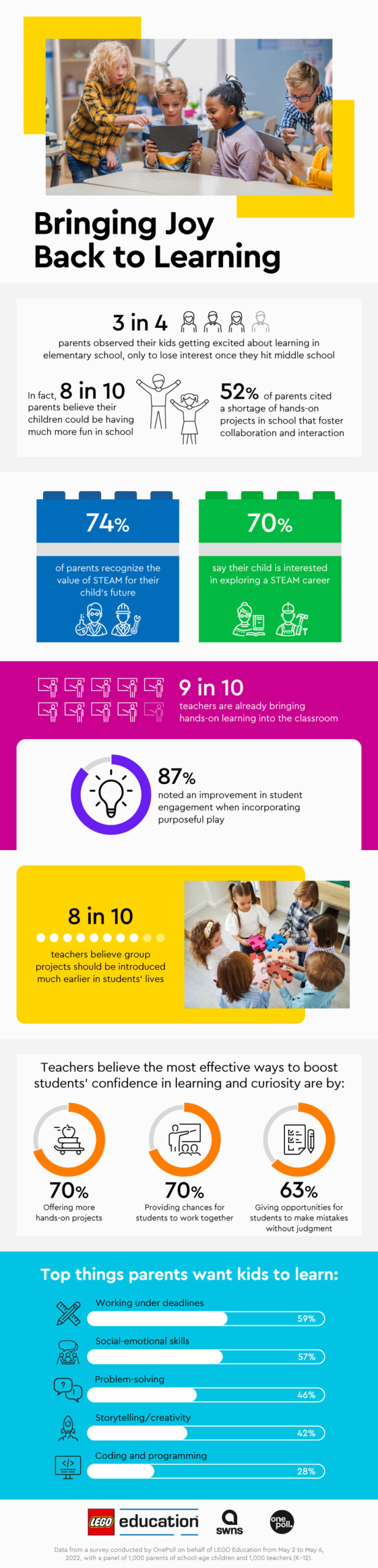
  • 87% of teachers found that students were more engaged in class when they included purposeful play in their lessons.


Gamification in Education Market Statistics

1. The global gamification in education market was valued at $860.13 million in 2021.

Future projections show that the market is expected to grow to $11,671 billion by 2030, with a CAGR of 33.61% between 2022 and 2030.

Furthermore, statistics show that by deployment, cloud gamification in education dominated the market with a 56.7% share, generating $487.69 million worth of revenue in 2021.

By end-user, corporate training gamification led the market with a 54.2% market share and generated $466.19 million in revenues.

By region, North America is the largest player, with a 34.3% market share and $295.02 million of the total revenues for 2021.

(Globe News Wire)


2. Western Europe has the highest growth rate for game-based learning, at 47.2%.

Eastern Europe is in the number two spot with a growth rate of 42.2%, and Africa holds the number three spot, with a 41.3% growth rate.

The game-based learning market in the North American region is already mature, though it is still steadily growing at a 35.2% rate, just below the growth rate of the Middle East of 36.2%. The market in Latin America also has a healthy growth rate of 30.1%, while in Asia, the market is growing at the slowest rate of 27%.

(Metaari)


Using Gamification in the Classroom Statistics

3. 74% of teachers say they use digital games for instructional purposes with their students.

The stats also show that female teachers are slightly more likely to use digital games in the classroom, with 75% of them saying they use digital games to teach, while only 69% of the male teachers say the same.

Moreover, 3-5 grade teachers are the most likely to use games with 79%, followed by K-2 teachers with 66%. Teachers of older students are less likely to use games in the classrooms, with 47% of 6-8 grade teachers and 40% of 9-12 grade teachers using them.

(Academia, Umich)


4. More than a third (38%) of teachers use digital games in class on a weekly basis.

In addition, just over a fourth of all teachers, or 27%, use them on a monthly basis. Furthermore, some teachers are more comfortable using digital games in the classroom, so 18% of teachers use them on a daily basis.

However, there are also 16% of teachers that are not comfortable using games in class, so they use them less frequently than once a month or never use them.

(Umich)


5. 91% of the teachers who use games in the classroom use educational games.

While most teachers say they use educational games like literacy, math, and other content-specific games, there are also 24% of teachers who say they use trivia games and 23% of teachers who say they use puzzle games in their class.

Moreover, 14% of teachers say they use student-designed games, and 12% also use games that encourage students to be physically active.

Simulation, role-playing, and action/adventure games are the least frequently used, by only 8%, 6%, and 5% of the teachers.

(Academia)


6. Not having enough time is the biggest barrier that 45% of teachers are facing with digital games in the classroom.

The teachers face plenty of barriers when using digital games in class, however, time and money seem to be the biggest ones. 44% say the cost of gamification is a barrier, while 35% say the lack of tech resources is also a problem.

Additionally, 34% say that it is hard to find games appropriate for their curriculum, and 27% say they are not sure where to find quality games.

Some of the more minor barriers include unfamiliarity with technology, and lack of administrative and parental support, according to 17%, 14%, and 9% of teachers.

(Games and Learning)


7. 80% of teachers say they wish it was easier to find digital games suitable to their curriculum standards.

Only 39% say that the games that are available now and fit their curriculum standards are sufficient. A considerable portion of teachers, or 45%, believe that commercial digital games, which were not created for educational purposes, can also be used for teaching their core curriculum.

(Games and Learning)


8. Only 15% of the teachers read reviews of the games they use in class before deciding to use them.

The experience their colleagues had with a game is the main factor that influences 48% of the teachers’ decisions when choosing a game they want to use in their class. In addition, 42% of teachers rely on their own, personal experience with the game, while only 31% take their students’ experience into account.

Moreover, 24% of teachers say the game’s price, and 17% say its rating plays a role in their decision.

(Games and Learning)


9. 72% of teachers say their students access digital games in class from a Mac or a PC.

In addition to computers, 41% of teachers say their students engage with the game through an interactive whiteboard, while 39% say their students use tablets to partake.

While these three are the main devices used in most of the cases, there are also 9% of teachers whose students access the games through Chromebooks and netbooks, and another 9% whose students take part in the games through smartphones.

Finally, 7% of teachers say their students access the games through TV gaming consoles, while 6% say through portable gaming devices.

(Games and Learning)


10. 54% of teachers use digital game devices in class to motivate and reward their students.

Moreover, 43% use them to give their students a break, while 25% say they use them to teach their students new material. Additionally, 20% say they use digital game devices to practice the material their students already learned, and 18% use them as a pastime for the students between assignments or tasks.

There are also 15% of teachers who say they use digital game devices to better connect their students with each other, and 7% who use them to conduct summative assessments.

(Academia)


11. 30% of teachers have their students use the digital games in class individually.

Another 20% of teachers say they have their students make small groups of three to five members and use the games like this. 17% of teachers say the whole class uses the games together, while 14% say they couple students with one more classmate and use the games in pairs.

Additionally, 14% of teachers say they only use the games between lessons or other assigned activities, and 5% of teachers ask the students to play the game at home as a homework assignment.

(Games and Learning)


Statistics on the Benefits of Gamification in Education

12. 47% of teachers say that it is the low-performing students who benefit most from using digital games in the classroom.

However, there are also 30% of teachers who believe that all students benefit from gamification equally. Furthermore, students with emotional problems and those suffering from cognitive or developmental issues benefit from games in the class, according to 28% and 24% of the teachers.

Average-performing students and high-performing students benefit from gamification, according to 23% and 15% of the teachers, while only 1% of teachers say that none of their students benefits from games in class.

(Games and Learning)


13. 55% of teachers agree that using digital games in class motivates low-performing and special ed students.

According to more than half of the teachers, the ability to motivate students to learn is the most valuable quality that digital games introduce in the class.

Additionally, 24% say that games allow them to teach mixed ability groups much more easily, while 23% appreciate the fact that students are able to use the games independently.

(Games and Learning)


14. 21% of teachers agree that digital games in the class promote collaboration between the students.

An equal percentage also praise the inclusion of games in the class because they allow for more personalized instructions. Another 17% of teachers believe games can deliver content without direct instructions, while 13% say the use of games in the class aligns with the Common Core Standards.

Finally, 10% of teachers believe that digital games provide a more effective, while 8%, a more efficient way to assess the students.

(Games and Learning)


15. 78% of teachers agree that digital games have improved the students’ mastery of curricular content.

In addition, 71% also agree that digital games improved the students’ mastery of extra-curricular content and skills, such as critical thinking, collaboration, etc. Moreover, 58% of teachers say that the use of digital games in the classroom encourages higher attendance.

However, there are also 39% of teachers who believe that digital games can be used too much and have a negative effect, so they limit their access to the classroom.

Nevertheless, the percentage of teachers who believe that the use of digital games in the classroom can lead to behavioral issues is only 21%, while the vast majority of teachers, or 73%, disagree with that statement.

(Games and Learning)


16. 43% of teachers use the built-in assessment systems that come with the games to assess their students’ performance.

Another 39% of teachers say they use the students’ scores to assess their knowledge and skills on topics they covered earlier, in a traditional learning format.

There are also 31% of teachers who say they can assess what the students learned from the games through a whole-class discussion, while 30% say they create tests or quizzes to assess their students’ newfound knowledge.

Finally, there are 23% of teachers who don’t assess their students regarding digital games in the classroom.

(Games and Learning)


17. 71% of teachers say that the use of digital games has been very effective in their students’ learning of math.

While math is the subject on which most teachers agree that digital games are a very effective way to help students learn, 65% of teachers also agree that games are effective for computer technology content and skills learning.

Moreover, 59% consider games a very effective way of learning executive function skills, while 56% think the same about learning the English language, arts, and literacy.

Games effectively improve 21st-century skills, according to 52% of the teachers, and science, according to 42% of them.

(Academia)


18. 87% of teachers reported that their students were more engaged when they played purposeful games in the classroom.

In a lot of ways, play is the way we learn the most about ourselves. When we’re playing, we’re developing our skills and our passions and learning how to navigate new situations. And it turns out that teachers know this: 87% say they’ve seen an improvement in student engagement when they incorporate purposeful play into their curriculum.

The reason for this is that play allows the students to participate in a meaningful activity, which makes them feel more connected to the subject matter and more invested in learning about it.

When you think about it that way, it makes sense—you can’t learn if you’re not engaged! So if you want your students to learn more and retain more, then you need to make sure they’re engaged.

For example, if you’re teaching about volcanoes, you could have your students make their own volcano out of clay. They can even go home after class and use it as a centerpiece on their dinner table! Your students will be able to see how they can connect what they learned while playing with something they love doing. This will help them retain information better than if they simply read through a textbook or watched a video about volcanoes without any hands-on experience.


(LEGO Education)


19. Nearly three out of four  (74%) teachers prefer to use fun activities in their gamification strategy.

To make learning more fun by gamifying the classroom experience, teachers have come up with a number of strategies:

  • adding fun, engaging content (74%)
  • creating a competition among the students (49%)
  • making progress visible to students with points and badges (49%)
  • giving students assignments or projects that are increasingly difficult as they progress (48%)
  • weaving a narrative or story into the lesson (31%)
  • putting time pressure on students (19%)
  • letting students collect/trade virtual items (16%)

Gamification in Education Infographic

(LEGO Education)


Conclusion

As you can see, gamification is a growing trend in education. It’s so effective that the stats show that students who are motivated by rewards are more likely to learn and achieve success.

So what are you waiting for? Start gamifying your classroom today!

Thanks for reading! We hope you found this article useful and that you take what you’ve learned with you into your own education, as well as the education of others.

Happy learning!

How Does Khan Academy Make Money? Business Model of Khan Academy

22 Preschool vs No Preschool Statistics (Is Preschool Worth It)

20 AI in Education Statistics To Rethink How You Teach

Sources

31 Ecommerce Fulfillment Statistics You Will Want To Know 2026


Ecommerce Fulfillment Statistics

If you’re looking for the latest statistics on eCommerce fulfillment, you’ve come to the right place!

We’ve put together a list of the most relevant eCommerce fulfillment statistics from around the web, and we’ve organized them into one convenient, easy-to-access place.

Whether you’re an online seller or a buyer, there’s something here for everyone. From shipping costs to order fulfillment time, we have all the information you need at your fingertips.

Once you see all these helpful stats, we know you’ll be inspired to take action. Whether it’s improving your own e-commerce business or sharing this information with friends and family members who are also interested in e-commerce fulfillment statistics, we hope this list inspires you!

General eCommerce Fulfillment Statistics

1. 38% of online shoppers will abandon their order if the estimated delivery time exceeds a week.

Correlation between % of abandoned carts and delivery time in Ecommerce

Online shoppers are a busy bunch. They want the things they buy to be delivered as quickly as possible, and if the estimated delivery time exceeds a week, they’ll likely abandon their order.

That’s according to a study conducted by Comscore and Econsultancy, which found that 38% of online shoppers will abandon their order if the estimated delivery time is more than a week away.

The study also found that 24% of online shoppers will abandon their order if they do not obtain accurate and timely information about shipping. And another 16% will not place their order if takes 6-7 days for their purchase to arrive after ordering it.

This statistic really shows how important it is for companies to offer reasonable delivery times and clear communication about when their customers can expect the order to arrive.

(Comscore, EConsultancy)


2. 69% of online shoppers say they will be significantly less likely to shop with a retailer if they do not deliver within two days of the promised date.

Statistics further reveal that all it takes is just one incorrect delivery date for 16% of online shoppers to take their business elsewhere. Additionally, another 14% of online shoppers say they would stop shopping with a retailer if their product gets delivered late, just once.

Moreover, 86% of consumers say that their expectations about timely deliveries are even higher around the holidays. Namely, 45% of shoppers expect their items to be delivered within four to five days, while 36% bank on five to six days of delivery, even when the shipping is free.

(Website Magazine)


3. 25% of online shoppers say that an unexpected shipping cost would cause them to abandon their cart.

One-fourth of consumers say they would abandon their cart if the total billing amount is not presented to them up front, making it the biggest reason for online cart abandonment.

In addition, 22% say they would leave without checking out if the website asks them to create a new account, while 17% say they sometimes abandon carts because they were only browsing for research purposes.

Furthermore, 15% are worried about payment security, 9% left their carts because of a long and complex checkout process, and 8% have done it because they were unable to find a coupon code.

Finally, 4% of online shoppers say they would abandon their cart if there is no express shipping option available.

(VWO)


4. 5% of online shoppers who abandoned carts say they’ve bought the same product from a different website with faster shipping.

Even though the majority (or 28%) of online shoppers say they ultimately ended up never buying that product, faster delivery times were decisive for a small portion of them. Moreover, 22% say they purchased it from another website that offered them a better deal, while 18% decided to get it from a physical store.

Finally, 14% made the purchase on a different website, one that they trust more, and 13% say they bought it from the same store, later, at a discount.

(VWO)


5. 4% of online shoppers say they purchased from a website they were unfamiliar with because it offered cash on delivery option.

When it comes to buying from an online store they are not familiar with, customer reviews make the difference for the largest portion, or 30%, of consumers. However, the option to pay with cash upon delivery is also convincing enough to make a small percentage of buyers make the purchase.

Additionally, 19% of online shoppers would buy from a store they are not familiar with if it has trust seals, like Norton and McAfee.

Furthermore, 17% say that they would buy if the offer is too good to miss out on, while 14% would make the purchase if their need for the product is urgent.

Lastly, 10% would buy from a store they have no experience with because they don’t mind taking risks every now and then.

(VWO)


6. 45% of online shoppers who admit to adding products to their cart with no intention of buying say they do it to check the price with shipping.

In other words, just about half of the consumers expect online stores to increase the price just before checkout, so they add products to their cart to find out the shipping costs. Statistics show that there are other reasons customers do this, but this is the most prevalent one.

24% of online shoppers say it is more convenient to add products to cart, rather than to add them to a wishlist. 

In addition, 10% say they do it to get an alert in case of a discount for that product later, while another 10% say they added items in their carts by mistake and were too lazy to remove them.

(VWO)


7. 32% of online shoppers say that a limited-time free shipping offer would encourage them to buy a product they had no intention of buying earlier.

After a limited-time discount, which is the main motivation for 48% of online buyers to make a purchase while they are just browsing, limited-time free shipping is the next best thing.

In total, 99% of shoppers say there is a way for them to be encouraged to buy something, even when they are not actively looking to buy, while only 1% say nothing will convince them.

In addition, 10% say they would buy a trending product, and 9% would buy if the item is running out of stock.

(VWO)


8. The most frustrating part of the checkout process is filling in the same information twice, according to 32% of online shoppers.

In addition, 26% of consumers say they get frustrated when there are too many form fields to fill out, while 16% cite the back button not being able to go back to the previous page as the main source of their frustration.

Furthermore, 14% say they get frustrated when they are unable to change their order, 7% get upset when error messages they don’t understand pop up, and 5% say not being able to log in with their Facebook credentials is the most frustrating.

(VWO)


eCommerce Fulfillment Statistics on Online Shoppers

9. 63% of online shoppers say they had abandoned a cart before because the shipping costs were too expensive.

According to the results from a recent survey, shipping that costs too much was the most prevalent reason why online buyers have abandoned their carts.

Moreover, 36% say they have left without checking out because their order needed too much time to ship, which is another shipping-related reason customers leave their carts.

In addition, 46% of online buyers say they left without purchasing because their discount code didn’t work, 30% because they had to re-enter their credit card info, and 25% because they had to re-enter their shipping information.

(Statista)


10. 30% of Amazon users cite its fast shipping as the main reason they shop at Amazon.

While convenience is the primary motivation for the largest percentage of online shoppers, or 49%, to shop at Amazon, its quick delivery times are imperative for just under a third of them as well.

Additionally, the stats show that 38% of consumers prefer amazon because of the wide range of items it offers, while 31% favor it because of its low prices.

(Efulfillment Service)


11. The opinions of online shoppers regarding what is more important, shipping price or shipping speed, are split fifty-fifty.

However, a recent survey reveals that 70% of consumers always choose the least expensive shipping option when submitting an order. Only 23% say they always choose the same-day delivery option, and 25% say they would be willing to pay a premium for it.

Moreover, only 2% of consumers say they would pay more than $3 for same-day delivery.

(Efulfillment Service)


12. 97% of online shoppers agree that same-day shipping is fast shipping.

Next-day shipping is also considered fast by the largest portion of online buyers, or 95%, while 89% of them consider within two days shipping as fast. However, once it gets to three to four days of shipping, the percentage of shoppers who sees it as fast drops to only 42%.

Furthermore, shipping within five to seven days is only considered fast by 10%, and only 5% of consumers view shipping within one or two weeks as fast.

(Efulfillment Service)


13. 94% of online shoppers have taken a certain action to qualify for free shipping.

Moreover, nine out of ten consumers say that free shipping is the most attractive incentive that would cause them to shop online more frequently. In addition, 74% of online buyers consider free shipping the most important option at checkout.

Statistics show that 31% of them have delayed their purchase, 41% have searched for promo codes, and 44% have chosen the slowest transit time to qualify for free shipping.

(Efulfillment Service)


14. 31% of online retailers cite order splitting as the most costly aspect of order fulfillment.

Furthermore, 28% of online retailers believe that low ship velocity and an equal percentage cite the high number of returns as the most expensive part of order fulfillment.

Moreover, according to online retailers, the average cost of fulfilling an order is 70% of the average order value.

(Efulfillment Service)


eCommerce Fulfillment Statistics on Online Sellers

15. 39% of micro sellers do all their shipping from only one store.

The online retailer statistics also reveal that 26% of micro sellers use one warehouse, while 20% do their shipping using multiple stores.

In addition, 15% use multiple warehouses, 6% rely on their suppliers for their shipping needs, and another 6% rely on third-party logistics and drop shippers.

(Efulfillment Service)


16. Almost half (or 47%) of small-sized online retailers do all their shipping from one warehouse.

Moreover, 20% use only one store, 18% use multiple stores, and 12% rely on third-party logistics and drop shippers for their shipping needs. Only 10% of the small sellers use multiple warehouses, while the smallest portion, or 8%, rely on their suppliers for shipping.

(Efulfillment Service)


17. 40% of mid-sized online retailers say they use multiple warehouses for their shipping needs.

Another 39% say they only ship from one warehouse, while 28% use multiple stores to meet their order fulfillment needs.

One in five, or exactly 20% of mid-sized sellers, say they rely on drop shippers and third-party logistics for their shipping, 16% rely on their suppliers, and the smallest portion of them, or 13%, use only one store.

(Efulfillment Service)


18. 88% of enterprise-level online retailers say they use multiple warehouses to do their shipping.

In addition, one-fourth (or 25%) say they rely on drop shippers and third-party logistics, while 19% rely on their suppliers to take care of their shipping needs.

Furthermore, 13% of enterprise sellers say they use multiple stores, and just as many say they only use one warehouse for their shipping.

Interestingly, 0% of the biggest online retailers rely on only one store to meet their order fulfillment demands.

(Efulfillment Service)


19. Order spikes are not considered an issue by 22% of online retailers.

However, these retailers account for the smallest percentage of sellers, and most of the others had to do some sort of adjustment to deal with the spike. Namely, more than half, or 52%, of online retailers say they hired temps to deal with such situations.

In addition, 45% did not hire any extra help but had their employees work longer hours and ended up paying them overtime.

Finally, 38% of online retailers say they had to reallocate staff to deal with order spikes.

(Efulfillment Service)


20. An estimated 165 billion packages are shipped annually in the US.

According to experts, the number of trees needed to create the cardboard for these packages exceeds 1 billion.

For example, the meal delivery service giant Blue Apron ships 8 million meals every month. Moreover, on Prime Day in 2018, Amazon alone sold and shipped out 100 million products and over 5 billion items through prime the same year.

In 2022, Amazon offered sold more than 300 million items during its Prime Day sale.

(Forbes)


21. 90% of global consumers believe that packaging plays a major role in ensuring the safety of the product.

However, statistics show that the eCommerce fulfillment processes require the products to be manually handled up to 20 times before they are shipped out. A recent study reveals that packages are dropped 17 times on average during drop tests.

Even though 58% of US consumers say that receiving a damaged product would have an effect on their relationship with the retailer, data suggests that between 7% and 10% of eCommerce packages are delivered with some degree of damage.

Finally, a damaged product can cost an eCommerce retailer up to 17 times the original price, resulting in a $6 billion loss per year.

(Ameripen, Marketplace)


Global eCommerce Fulfillment Statistics

22. Delivery is so important to online shoppers that more than half, or 54% of them, say it defines who they always shop with.

Additionally, just one negative delivery experience with an online retailer is enough for a staggering 39% of consumers to never shop with that retailer again.

Moreover, 43% of online buyers say that they have used social media channels to voice their frustration with a negative eCommerce delivery experience. For consumers between the ages of 18 and 26, this percentage rises to 48%.

Finally, 54% of online shoppers from metropolitan areas say they expect websites to offer one-hour deliveries to their homes.

(PR Newswire)


23. 31% of global consumers say they would pay a monthly fee to become a part of a loyalty program that offers unlimited next-day deliveries.

A recent survey reveals that the consolidated delivery model is an idea that is most popular with US shoppers, 84% of which are open to it. Its popularity drops slightly in other countries, but it is still backed by 81% of the buyers in Spain, 73% in Italy, 71% in France, and 65% of the shoppers in the UK.

Similarly, most, or 75% of US shoppers, say they would prefer an e-retailer that offers a delivery loyalty program over one that doesn’t. The percentage of online buyers who agree is 71% in Spain and 59% in Italy.

(PR Newswire)


24. 42% of global consumers say that the ability to select the carrier that carries out the delivery is important to them.

This feature is particularly important to US consumers, 63% of which view it as important, while 32% of them even consider it vital.

The age group that is the most interested in having this ability are shoppers between the ages of 27 and 38, 55% of which consider it important and 20% of which consider it essential to their online shopping experience.

The interest in selecting the delivery carrier is not as high among Millennials, as only 38% say this feature is important to them.

(PR Newswire)


Current State of eCommerce Fulfillment

25. The click-and-collect in-store delivery method is the most popular in the UK, with 68% of them being happy with it.

Furthermore, the delivery to a local store or a pick-up point is the most popular in France, as 76% of the French buyers favor it.

Delivery to a locker is not a particularly popular method, and it is best accepted in Germany, where it is good enough for only 31% of the shoppers.

Similarly, delivery to the workplace is also not very popular, having the favor of only 20% of the global shoppers. The only countries where it enjoys some level of popularity are Italy, where 25%, and the UK, where 23% of online buyers appreciate it.

Weekend delivery services are only somewhat popular in the US and the UK, where they are favored by an equal portion of 34% of the shoppers. In Italy and France, it is a method that is only appreciated by 14% and 13% of the consumers.

(PR Newswire)


26. In 2022, 43% of online retailers offer free delivery for all orders.

In addition, 40% of online retailers say they only offer free delivery after a minimum order amount is met, while 34% only offer free delivery as a promotion.

Historically data shows that just two years earlier, in 2020, 57% of eCommerce businesses offered required a minimum order to include the free delivery option, while only 24% offered free delivery on all orders.

(SC Logistics)


27. The online order volume has increased for 59% of eCommerce businesses in 2022.

On the other hand, 27% of online retailers say that their order volume has decreased this year. The rise in order volume seems to be more prevalent among big and mid-sized businesses, as nearly two-thirds of them report an increase, while 40% of businesses with annual revenues less than $50 million report growth.

Furthermore, fluctuating order volumes were cited as one of the three main challenges for the previous year by 21% of online retailers. This issue is also more prevalent among large organizations, 32% of which say they struggled with it. In comparison, 20% of mid-sized and only 12% of small businesses say they faced such an issue.

(SC Logistics)


28. 51% of eCommerce companies say their fulfillment costs have increased in the past year.

The main reason for the increased fulfillment costs is a shortage of labor, as cited by 59% of online retailers.

Conversely, of those who saw decreased fulfillment costs, 53% cite the increased usage of automation as the reason for their cost reduction. Moreover, 37% of them report requiring less labor in the past year.

(SC Logistics)


29. 57% of eCommerce companies say they outsource some or all of their fulfillment processes.

The above figure indicates a significant increase from 2020 when only 29% of eCommerce businesses reported outsourcing fulfillment. Additionally, 20% of online retailers say they plan to begin outsourcing fulfillment in the next 12 to 18 months.

Outsourcing fulfillment is a practice that is more common among small and mid-sized businesses, 61% and 59% of which report doing it, whereas only 40% of big companies say they rely on outsourcing.

(SC Logistics)


30. Delivery expectations are the most common fulfillment challenges, cited by 45% of online retailers.

Additionally, 36% of eCommerce businesses cite transportation capacity as the biggest fulfillment challenge they are currently facing.

To tackle these challenges, retailers rely on traditional methods, with 36% of them saying they rely on negotiating rates and 31% relying on switching carriers, though many of them utilize technology too.

Namely, 48% of eCommerce companies say they upgraded their parcel TMSs, while 36% say they are automating their parcel sortation. Additionally, 32% say they are utilizing rate shopping software, and 29% say they rely on parcel analytics.

Finally, only 27% of eCommerce businesses are leveraging consolidation, and 21% rely on zone skipping to deal with their fulfillment obstacles.

(SC Logistics)


31. 77% of online retailers say that labor shortage has affected their fulfillment operations in some way.

In addition to increased costs, eCommerce companies report negative effects of labor shortage in almost every area of their fulfillment processes. For example, 50% report slower order processing times, 46% report delivery delays, and 39% customer service failures.

To mitigate the negative effects of the labor shortage, 51% of online retailers say they are increasing the wages of their workers, 49% are offering bonuses, and 47% say they hire temporary workers.

(SC Logistics)


Conclusion

So there you have it—the latest stats on eCommerce fulfillment. If you’re in the business of selling merchandise, whether online or in a brick-and-mortar store, the data here will help you make better decisions about how to keep your customers happy and how to grow your business.

As you can see, there are many ways to go about ensuring that your eCommerce business is successful and profitable, but the most important thing is that you stay focused on what matters: your customers.

A great product alone will not guarantee success—you need to make sure that people can easily access it, too!

Thanks for reading!

24 eCommerce Email Marketing Statistics To Boost Your ROI

19 AI In eCommerce Statistics That Will Blow Your Mind

25 Surprising eCommerce Return Statistics

Sources

X